
 WORKS COVERED BY A 30 YEAR GUARANTEE
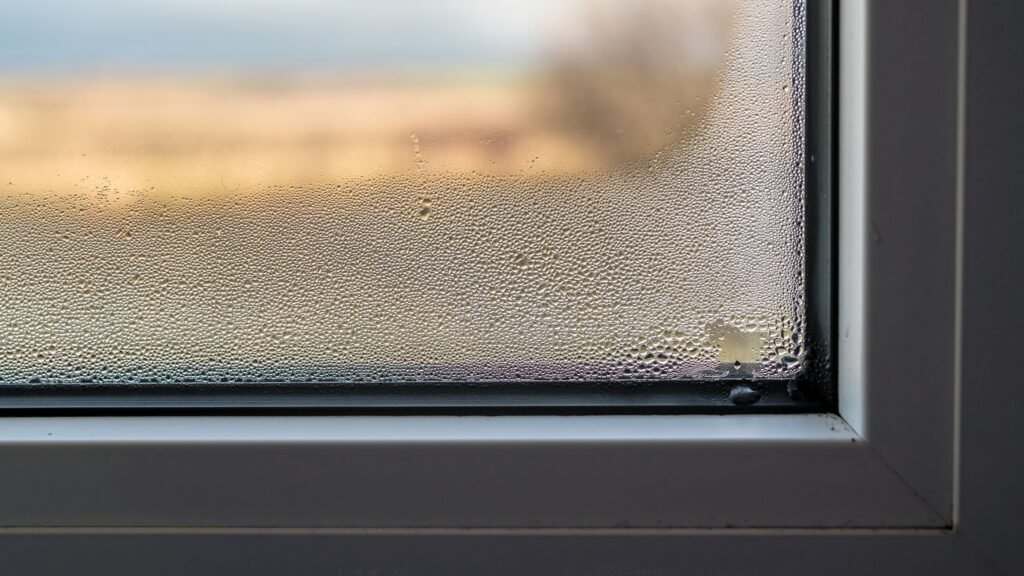
Condensation is one of the most common issues faced by homeowners across the UK. From misted windows to damp patches on walls, excess moisture in the air can quickly turn into a persistent and frustrating problem. While it may seem minor at first, condensation can lead to mould growth, unpleasant odours, and even structural damage if left untreated.
To effectively tackle condensation, it’s important to first understand what causes it—and more importantly, how to control it in a practical and efficient way.
The Science Behind Condensation
Condensation forms as a result of basic physical principles. Warm air has the ability to hold more moisture than cold air. As air heats up, it expands and absorbs water vapour, acting much like a sponge. This is why activities within the home can quickly increase humidity levels.
However, when warm, moisture-laden air comes into contact with a colder surface—such as a window, wall, or ceiling—it cools down rapidly. As the air cools, it loses its ability to hold moisture, causing excess water vapour to be released in the form of tiny droplets. This is the condensation you see forming on surfaces.
This process is particularly noticeable during colder months, when the temperature difference between indoor air and external surfaces is greater.
Everyday Activities That Increase Moisture
Many people don’t realise just how much moisture is generated through daily living. The build-up of water vapour in your home is a direct result of normal household activities.
Simple actions such as breathing, cooking, bathing, and washing all contribute to increased humidity levels. Drying clothes indoors can release a significant amount of moisture into the air, especially in poorly ventilated spaces.
Additionally, the use of bottled gas or paraffin heaters can dramatically increase moisture levels. These appliances produce water vapour as a by-product of combustion, with as much as a pound of water being released for every pound of fuel used. This makes them one of the largest contributors to excess humidity in the home.
The Problems Caused by Excess Moisture
When moisture levels remain high, condensation becomes a recurring issue. Over time, this can lead to a range of problems that affect both your home and your health.
One of the most common consequences is mould growth. Damp conditions provide the perfect environment for mould spores to thrive, particularly in areas with poor ventilation such as bathrooms and kitchens. Mould not only damages surfaces but can also pose health risks, especially for those with respiratory conditions.
Excess moisture can also cause damage to walls, ceilings, and furnishings. Paint may begin to peel, wallpaper can lift, and wooden elements may warp or rot. Left unchecked, these issues can result in costly repairs.
Traditional Solutions and Their Limitations
Many homeowners attempt to manage condensation by increasing ventilation or heating their homes more consistently. While these methods can help reduce moisture levels, they are not always practical or efficient.
Opening windows allows moist air to escape, but it also lets in cold air, making it harder to maintain a comfortable indoor temperature. This can lead to increased heating costs, particularly during winter.
There are also security concerns associated with leaving windows open, especially when the property is unoccupied or during the night.
Similarly, keeping the heating on continuously can reduce condensation, but this approach can be expensive and environmentally inefficient.
A More Effective Solution: Dehumidification
A far more practical and energy-efficient solution is to remove excess moisture directly from the air using a dehumidifier. Modern heat pump electrical dehumidifiers are specifically designed to extract water vapour from the atmosphere, helping to maintain balanced humidity levels within the home.
These systems work by drawing in moist air, cooling it to condense the water vapour, and then collecting the moisture in a reservoir. The drier air is then released back into the room, creating a healthier and more comfortable environment.
Unlike traditional methods, dehumidifiers address the root cause of condensation rather than just managing its symptoms.
The Benefits of Using a Dehumidifier
Using a dehumidifier offers several key advantages. Firstly, it helps prevent condensation from forming on surfaces, reducing the risk of mould and damp-related damage.
Secondly, it improves indoor air quality. By removing excess moisture, dehumidifiers create a fresher and more comfortable living environment, which can be particularly beneficial for those with allergies or respiratory issues.
In addition, dehumidifiers are energy-efficient compared to constant heating. They allow you to maintain a comfortable indoor climate without significantly increasing energy consumption.
Efficient Moisture Removal
A single, well-placed dehumidifier can make a noticeable difference. Typically, one unit positioned centrally within the home can extract between one and two gallons of water vapour per day, depending on humidity levels and environmental conditions.
This level of performance is more than sufficient to manage everyday moisture produced by normal household activities, helping to maintain a balanced and stable indoor environment.
Expertise You Can Trust
When it comes to selecting and using the right dehumidification system, expert knowledge is essential. With years of experience in the field and strong relationships with leading manufacturers such as Ebac, professional providers can offer reliable advice and high-quality solutions tailored to your needs.
This expertise ensures that you receive the most effective system for your property, delivering long-term results and improved comfort.
Creating a Healthier Living Environment
Managing condensation is about more than just protecting your property—it’s about creating a healthier living space. By controlling moisture levels, you can reduce the risk of mould, improve air quality, and enhance overall comfort.
Dehumidifiers provide a simple yet highly effective way to achieve this, offering a practical alternative to traditional methods that may be costly or inconvenient.
Conclusion
Condensation is a natural process, but when left unmanaged, it can lead to serious problems within the home. Understanding how and why it occurs is the first step towards finding the right solution.
By using a heat pump electrical dehumidifier, you can remove excess moisture directly from the air, preventing condensation and creating a cleaner, healthier environment. With the right approach and expert support, maintaining the perfect balance of humidity in your home has never been easier.
