
 WORKS COVERED BY A 30 YEAR GUARANTEE
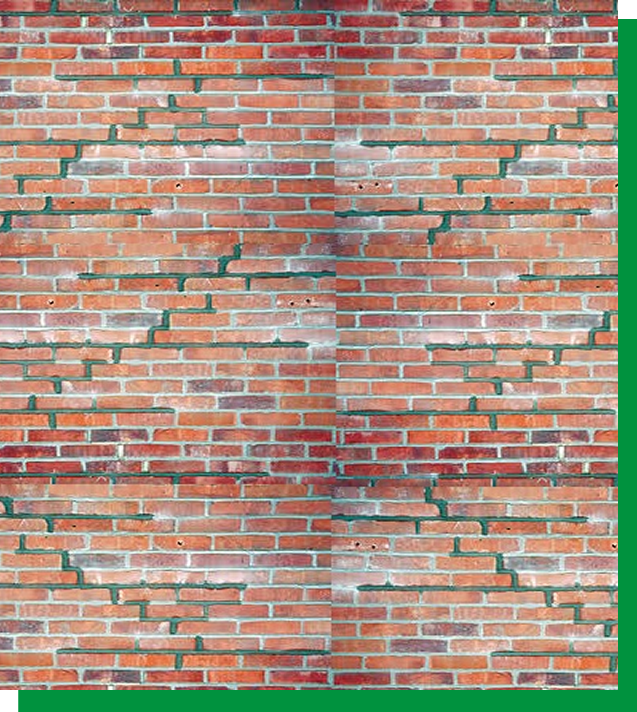
Cracks, fractures, and movement within masonry structures are common issues affecting both traditional and modern buildings across the UK. Over time, factors such as ground movement, thermal expansion, weather exposure, and inadequate structural restraint can cause stress within walls and masonry, leading to visible cracking and structural instability.
If left untreated, damaged masonry can worsen over time, potentially affecting the safety, appearance, and long-term stability of the property.
Professional masonry reinforcement provides a highly effective, cost-efficient, and minimally disruptive solution for stabilising damaged brickwork and restoring structural integrity without the need for extensive rebuilding work.
We provide a comprehensive range of masonry reinforcing services designed to address a variety of structural issues, including crack stitching, lintel repairs, and lateral restraint installations. Using modern stainless steel reinforcement systems, we help strengthen masonry structures while allowing buildings to retain the flexibility needed to accommodate natural movement.
Understanding Masonry Cracking and Structural Movement
Masonry structures are constantly exposed to environmental and structural pressures throughout their lifespan. While some minor movement is normal in buildings, excessive movement can lead to visible damage and structural concerns.
Cracking in masonry is commonly caused by:
- Ground movement and settlement
- Thermal expansion and contraction
- Weathering and moisture exposure
- Inadequate lateral restraint
- Structural loading changes
- Age-related deterioration
- Movement around door and window openings
These issues often lead to stress redistribution within the building, resulting in fractures and cracking within walls, brickwork, and masonry joints.
Common Signs of Masonry Damage
Structural masonry problems can appear in several areas of a property and should be assessed professionally before the damage worsens.
Common warning signs include:
- Cracks above doors and windows
- Stepped cracking in brickwork
- Bowed or bulging walls
- Separation between walls and ceilings
- Distorted masonry
- Loose or unstable brickwork
- Internal wall cracking
Damage is often most noticeable around door and window openings and at the corners of buildings, where structural stresses are concentrated.
Cost-Effective Masonry Stabilisation Solutions
Traditional rebuilding methods can often be expensive, disruptive, and time-consuming. Modern masonry reinforcement systems offer a more practical and efficient alternative for many forms of structural repair.
Our masonry reinforcement solutions are designed to:
- Stabilise cracked masonry
- Strengthen weakened walls
- Redistribute structural loads
- Prevent further movement
- Minimise disruption to occupants
- Preserve the appearance of the building
These systems are suitable for many traditional and modern buildings and can often be installed with minimal disturbance to the property owner.
Crack Stitching Services
Crack stitching is one of the most widely used methods for stabilising cracked masonry.
This repair process involves inserting specially manufactured stainless steel helical bars into the mortar bed joints of the affected masonry. The bars are then bonded securely using specialist resin grout before the joints are repointed and restored.
How Crack Stitching Works
The stainless steel helical bars act as reinforcement within the wall, helping redistribute tensile loads across the cracked area while maintaining flexibility within the structure.
This allows the building to continue accommodating natural movement without causing further cracking.
Benefits of Crack Stitching
Crack stitching offers several important advantages:
- Cost-effective structural repair
- Minimal disruption
- Preserves existing masonry
- Long-lasting reinforcement
- Flexible structural support
- Suitable for many property types
- Reduced need for rebuilding work
Crack stitching is particularly effective for stabilising cracks caused by settlement, thermal movement, and general structural stress.
Stainless Steel Helical Bar Reinforcement
Specially designed stainless steel helical bars play a key role in modern masonry stabilisation systems.
These bars are manufactured to provide:
- High tensile strength
- Corrosion resistance
- Long-term durability
- Flexibility for natural movement
- Effective load redistribution
Once installed within the masonry bed joints or cut slots, the bars help strengthen the structure while remaining discreetly hidden within the wall.
This allows repairs to maintain the original appearance of the building.
Lintel Repair Solutions
Structural problems around doors and windows are often linked to failed or weakened lintels.
Lintels support the weight of the masonry above openings, and when they deteriorate or fail, cracking and movement can occur.
Our lintel repair services help restore structural stability while minimising disruption to the surrounding masonry.
Professional lintel reinforcement can help:
- Stabilise cracked openings
- Support weakened masonry
- Prevent further structural movement
- Extend the lifespan of the building
Early intervention is important to avoid more serious structural damage developing over time.
Lateral Restraint Systems for Bowed and Bulging Walls
Bulged or bowed masonry walls are often caused by inadequate lateral restraint, particularly in older buildings with suspended timber floors.
Without sufficient restraint, external walls may begin to lean or move outward over time.
How Lateral Restraint Systems Work
Stainless steel lateral restraint bars are inserted through the external masonry and securely fixed into the internal suspended timber floor joists.
The bars are wound into the parallel joists to create a strong structural connection between the wall and the internal floor structure.
This system helps stabilise the wall by redistributing structural forces while reducing further movement.
Benefits of Lateral Restraint Repairs
Lateral restraint systems provide:
- Stabilisation of bowed walls
- Improved structural integrity
- Minimal external disruption
- Long-lasting reinforcement
- Preservation of original masonry
These repairs are particularly effective in older and traditional buildings where movement has developed gradually over time.
Maintaining Flexibility Within the Structure
One of the major advantages of modern masonry reinforcement systems is that they allow the structure to remain flexible enough to accommodate natural building movement.
Buildings naturally expand, contract, and settle over time due to environmental conditions and structural loading changes.
Rigid repair methods can sometimes create additional stress points within the masonry.
Modern reinforcement systems are designed to:
- Redistribute tensile loads
- Maintain structural flexibility
- Reduce stress concentrations
- Prevent future cracking
This balanced approach helps ensure long-term structural stability while minimising the risk of recurring issues.
Suitable for Traditional and Modern Buildings
Remedial masonry stabilisation systems can be successfully applied to a wide range of property types, including:
- Traditional homes
- Period properties
- Victorian and Edwardian buildings
- Commercial buildings
- Residential developments
- Industrial properties
- Heritage structures
These solutions are particularly valuable for older buildings where preserving original masonry is important.
Minimal Disruption for Property Owners
One of the biggest advantages of modern masonry reinforcement systems is the minimal disruption involved during installation.
Compared to major structural rebuilding work, these repairs can often be completed quickly and efficiently while allowing occupants to remain in the property.
Benefits include:
- Reduced repair times
- Lower overall costs
- Minimal structural alteration
- Less mess and disruption
- Preservation of original brickwork
This makes masonry reinforcement an attractive solution for homeowners, landlords, and commercial property owners alike.
Why Professional Masonry Repairs Matter
Structural masonry repairs should always be carried out by experienced professionals with the correct knowledge, materials, and installation techniques.
Poorly executed repairs may fail to address the underlying structural issues and can sometimes worsen the problem over time.
Professional masonry reinforcement ensures:
- Correct structural assessment
- Appropriate repair methods
- High-quality materials
- Long-lasting stabilisation
- Compliance with structural standards
Experienced specialists can identify the root cause of the movement and recommend the most effective repair solution.
Long-Term Protection Against Further Cracking
Properly installed masonry reinforcement systems provide excellent long-term resilience against future movement and cracking.
By strengthening weakened areas and redistributing structural loads effectively, these repairs help protect the building against further damage while maintaining its structural integrity.
Early intervention is often the key to preventing more extensive and costly structural problems later.
Reliable Masonry Stabilisation Solutions
Cracked masonry and structural movement should never be ignored, as these issues can worsen over time and compromise the stability of the building.
Modern masonry reinforcement systems provide a practical, cost-effective, and minimally disruptive solution for stabilising damaged walls, repairing cracks, and restoring structural integrity.
Whether you require crack stitching, lintel repairs, or lateral restraint systems, professional remedial masonry services can help preserve your property while reducing future structural risks.
By using advanced stainless steel reinforcement techniques, buildings can remain both structurally secure and flexible enough to accommodate natural movement for many years to come.
