
 WORKS COVERED BY A 30 YEAR GUARANTEE
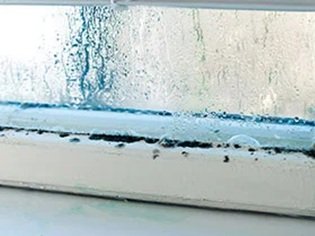
Condensation is one of the most common problems affecting homes across the UK. From misted windows and damp patches to mould growth and unhealthy indoor air, excess moisture within a property can lead to a range of issues that affect both the condition of the building and the comfort of those living inside it.
To understand the solution to condensation problems, it is important to first understand the cause.
As air becomes warmer, it expands and absorbs more moisture from the surrounding environment. Much like a sponge, warm air continues to hold water vapour until it becomes saturated. When this moisture-laden air comes into contact with colder surfaces, such as windows, walls, or ceilings, the air cools and can no longer retain the same amount of moisture. The excess water vapour is then released in the form of condensation droplets.
This natural process is responsible for many of the condensation and damp-related problems found in residential and commercial properties.
What Causes Excess Moisture in the Home?
The build-up of moisture within a property is often a direct result of everyday human activity. Even normal daily routines can introduce significant amounts of water vapour into the atmosphere inside the home.
Common sources of moisture include:
- Breathing
- Cooking
- Bathing and showering
- Washing clothes
- Indoor clothes drying
- Steam from kettles and appliances
- Poor ventilation
In modern, energy-efficient homes, moisture can become trapped more easily due to improved insulation and airtight construction methods.
Without adequate moisture control, this excess humidity can quickly lead to condensation problems throughout the property.
Heating Fuels and Moisture Production
Certain heating methods can significantly increase moisture levels within the home.
The direct burning of bottled gas or paraffin heaters is particularly problematic because these fuel sources release large amounts of water vapour directly into the air during combustion.
In fact, for every pound of fuel consumed, approximately one pound of water is released into the atmosphere.
This can quickly create excessively damp indoor conditions and increase the risk of:
- Window condensation
- Damp walls
- Mould growth
- Musty odours
- Poor indoor air quality
Understanding the impact of heating systems on indoor humidity is an important step in controlling condensation effectively.
The Problems Caused by Condensation
Although condensation may initially appear harmless, persistent moisture problems can lead to more serious issues over time.
Common problems associated with excess condensation include:
- Black mould growth
- Damp patches on walls and ceilings
- Peeling wallpaper and paint
- Damage to furnishings
- Musty smells
- Increased allergens
- Poor indoor air quality
- Potential respiratory irritation
Condensation can also affect the overall comfort of the home, creating cold and clammy living conditions.
Why Condensation Often Appears on Cold Surfaces
Condensation is most noticeable on colder areas within the property because cool surfaces cause warm moist air to lose its ability to hold water vapour.
Common cold surfaces include:
- Windows
- External walls
- Metal frames
- Uninsulated areas
- Cold corners of rooms
- Ceilings
Once moisture forms on these surfaces, repeated dampness can encourage mould growth and material deterioration.
Traditional Methods of Reducing Condensation
Many homeowners attempt to control condensation by increasing ventilation or heating their property more consistently.
Common methods include:
- Opening windows
- Using extractor fans
- Increasing central heating
- Improving insulation
While ventilation and heating can help reduce moisture levels, they are not always practical or cost-effective solutions.
The Drawbacks of Increased Ventilation
Opening windows may improve airflow, but it can also create several issues:
- Heat loss
- Increased energy bills
- Security concerns
- Noise pollution
- Reduced comfort during winter
Continually heating the property to reduce condensation can also become expensive, particularly during colder months.
The Benefits of Dehumidification
One of the most effective ways to control excess moisture within the home is through professional dehumidification.
Rather than simply moving moist air around or attempting to ventilate it away, dehumidifiers actively remove water vapour directly from the atmosphere.
This creates a healthier and more comfortable indoor environment while helping prevent condensation problems from developing.
How Electrical Dehumidifiers Work
Modern heat pump electrical dehumidifiers are specifically designed to extract excess moisture from the air efficiently and safely.
These systems work by:
- Drawing moist air into the unit
- Cooling the air to condense the moisture
- Collecting the extracted water
- Returning drier air back into the room
This process helps maintain balanced humidity levels throughout the property.
Effective Moisture Extraction
A professionally selected dehumidifier can remove a surprisingly large amount of moisture from the air each day.
Typically, a single centrally located unit can extract between one and two gallons of water vapour daily, depending on the size of the property and humidity levels.
This helps create:
- Drier indoor air
- Improved comfort
- Reduced condensation
- Healthier living conditions
- Lower risk of mould growth
Creating a Healthier Home Environment
Excess humidity can negatively impact indoor air quality and contribute to unhealthy living conditions.
By reducing airborne moisture, dehumidification systems help create a cleaner and healthier indoor atmosphere for occupants.
Benefits may include:
- Reduced mould and mildew growth
- Improved air quality
- Lower humidity levels
- Fresher-smelling rooms
- Greater comfort
- Reduced damp-related damage
This is particularly important for individuals sensitive to damp environments or poor indoor air quality.
Supporting Property Protection
Condensation and damp can cause gradual damage to both decorative finishes and structural materials within the property.
Long-term moisture exposure may lead to:
- Rotting timber
- Damaged plaster
- Stained walls and ceilings
- Corroded metal fixtures
- Deterioration of furnishings
Professional moisture control helps protect the condition and longevity of the property.
Expert Knowledge in Dehumidification Solutions
Choosing the right dehumidification system requires specialist knowledge and experience.
Our expertise in the field of dehumidification is built upon many years of working alongside leading manufacturers, including Ebac and other recognised industry brands.
We understand how to identify the causes of condensation and recommend suitable solutions tailored to the specific requirements of each property.
Tailored Dehumidification Solutions
Every property experiences moisture differently depending on factors such as:
- Property size
- Ventilation levels
- Heating systems
- Occupancy levels
- Building age
- Insulation quality
We provide tailored advice and dehumidification solutions designed to improve indoor air quality and control excess humidity effectively.
Why Professional Moisture Control Matters
Condensation problems are often more complex than they first appear. Simply wiping away water droplets or increasing ventilation temporarily may not solve the underlying issue.
Professional assessment and properly selected dehumidification systems can provide a more reliable and long-term solution.
Effective moisture control helps:
- Prevent recurring condensation
- Improve comfort
- Protect the property
- Reduce mould risks
- Create healthier indoor environments
Reliable Solutions for Condensation Problems
Condensation and excess humidity can affect the comfort, appearance, and health of any property if left unmanaged.
Understanding how moisture behaves within the home is the first step towards finding an effective solution.
Modern electrical dehumidifiers offer a practical, efficient, and cost-effective way to remove excess moisture directly from the atmosphere while creating a drier, healthier living environment.
With extensive knowledge and experience in dehumidification systems, we can help homeowners find the right moisture control solution to improve indoor air quality, reduce condensation, and protect their property for the future.
