•     WORKS COVERED BY A 30 YEAR GUARANTEE
  •    Trading since 1970
  •    Residential work specialists
  •    No subcontractors
         

Woodworm

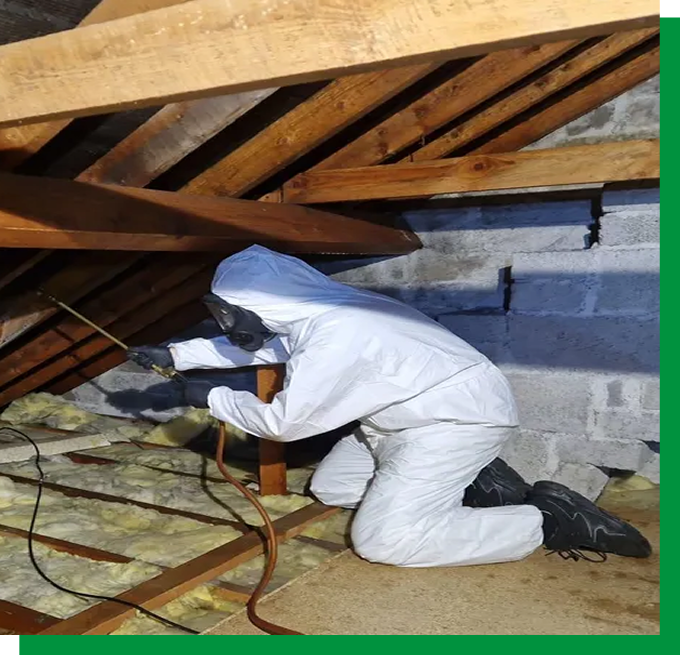
Timber treatment being applied within a roof void by pressure spray application.

Traditional building methods combined with a predominantly damp temperate climate causes the UK housing stock to suffer some of the highest levels of risk from insect and fungal attack in structural timbers.

This name is widely used to collectively describe the numerous species of woodboring insects which can attack our homes. Recent surveys indicate its presence in 75% of all houses in Great Britain.

The grub or larvae of the beetle burrows through the timber, feeding on the wood substance, often seriously weakening the structural timbers throughout the property. Attack is not confined to old timbers and nearly all new wood used in the construction
of buildings is susceptible unless pre treated. Floor joists, roof timbers and staircases are often particularly prone to attack.

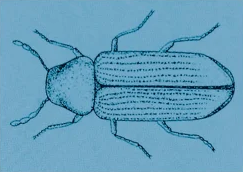
The most usual insect attack is by the COMMON FURNITURE BEETLE (Anobium punctatum) which accounts for approximately 75% of all timber infestation. The life cycle commences with the female beetle laying eggs on the surface of rough unpainted timber, in joints, cracks or old flight holes. The eggs hatch into larvae, which bite into the wood, usually leaving no visible trace. They can then spend up to 3 years tunnelling through at an average rate of approximately 5cm per annum. This causes serious damage to the timber, often not indicated by any external signs. Eventually the larvae creates a small chamber just below the surface of the timbers, where pupation takes place. The adult beetle then bites through to the surface creating an exit, or “flight hole”, usually in the late Spring or Summer. The then adult beetle emerges to fly away and mate, thereby recommencing the life cycle.

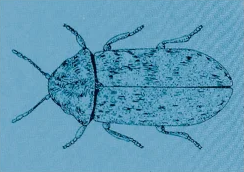
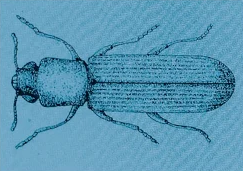
The other most common woodboring insects include the DEATH WATCH BEETLE (Xestobium rufovillosum), POWDER POST BEETLE (Lyctus brunneus), WOODBORING
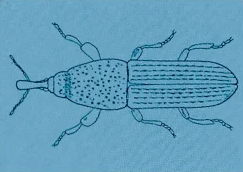
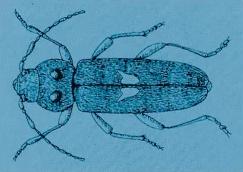
WEEVIL (Pentarthrum huttoni) and the LONGHORN BEETLE (Hylotrupes bajulus). Characteristics, type of timber attacked and life span all differ slightly, although all follow
a similar life cycle.


Our Surveyors are trained to identify the nature and degree of infestation and will recommend suitable remedial work. Treatments are usually carried out by pressure spraying the exposed timber with suitable chemicals although in certain instances, Boron gels and rods maybe used. Timber treatment paste may also be specified in order to provide long term penetration.

Types Of Beetle

Common Furniture Beetle
Death Watch Beetle
Powder Post Beetle
Woodboring Weevil Beetle
Longhorn Beetle

Why Choose Us

Works covered by a 30 year guarantee

Commercial work specialists

Surveyor and mortgage approved reports

98 percent of our customers would recommend us

Listed and historic buildings specialists

Trading since 1970

Residential work specialists

Approved by local authorities and housing associations

No subcontractors

client’s reviews

Al & Dyl Knight
What a brilliant service.From the receptionist to the surveyor Dave. We feel completely reassured . Highly recommend.
Andy Fox
Very knowledgeable, friendly and professional. Dean cam and explained really clearly what he was going to do. When I came back the next day the place was spotless - the only reason I knew they had done the work was the bare plaster. Thanks.
Peter Green
Have dealt with Dave and Steve with a couple of house moves. Always found them to be professional and full of expertise. Would not hesitate to recommend this Company.
Joanne D'Andrea
Very knowledgeable and efficient. Have used this excellent damp specialist company a few times. Would use again without hesitation.

Get in touch

Request a quote