Condensation Control

shape blue
insite hexagons

Curing Condensation: Why Our Expertise Matters

The Building Research Establishment assess that there are approximately 8 million sufferers of condensation in the UK every year.

Unfortunately it is often misdiagnosed as other forms of dampness.

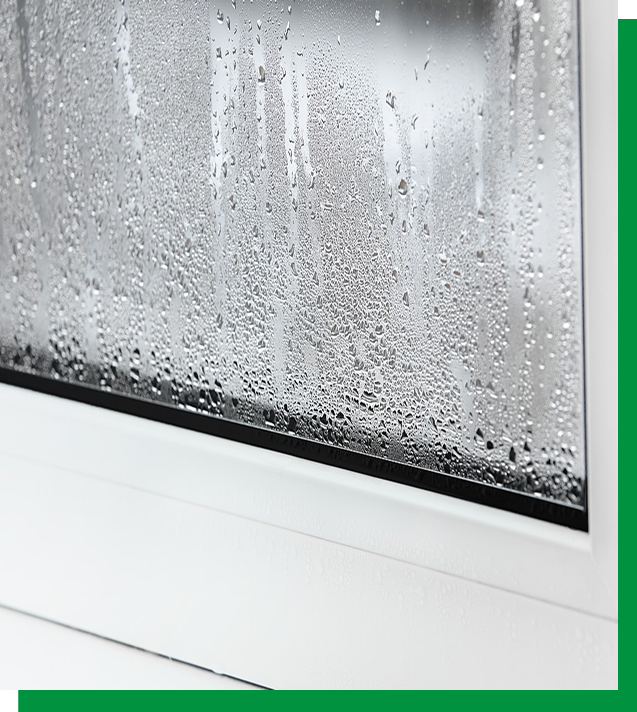
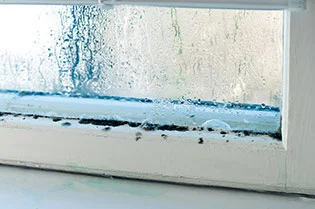
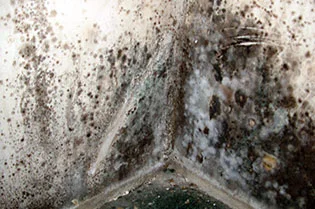
Condensation is a natural by-product of modern living which is a real menace and the effects are often very unpleasant – streaming windows, mould, peeling wallpaper and the tell- tale dank smell of rot and decay. When dampness is your problem, you find yourself engaged in a losing battle with frequent redecoration costs.

To understand the cause is to understand the cure. As air becomes warmer, it expands and more moisture is absorbed. It will act like a sponge until it is saturated, as in a cloud. Cooled air shrinks and can hold less water vapour, so the moment water laden air touches a colder surface, it will deposit the excess water to form small droplets. The build up of moisture in the air of a home is a direct result of human habitation. Breathing, cooking, bathing, washing and clothes drying all add to water vapour. The direct burning of bottled gas or paraffin produces a pound of water for every pound of fuel consumed and is potentially the greatest source of wet air.

Increased ventilation and continual heating can stop condensation but this can prove costly and presents a security risk in respect of open windows. The answer is to take the moisture directly from the atmosphere using a heat pump electrical dehumidifier.

Our knowledge in the field of dehumidification is unrivalled with many years’ experience dealing with major Manufactures to include Ebac and others.

Typically, one machine centrally located will extract between one and two gallons of water vapour per day, leaving a drier, healthier atmosphere.

Larger machines are also available for the commercial market and further information and advice is available upon request.

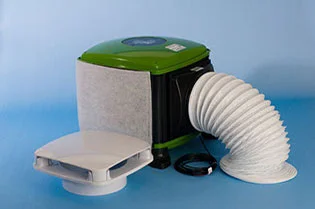
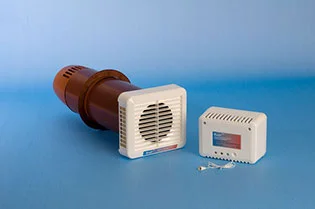
Alternatively and of particular interest to Local Authorities, Housing Associations and Landlords, we can supply and/or fit either a single room or whole house Heat Recovery Ventilation Unit which is whisper quiet and has low running costs. Stale, unhealthy moisture laden air is then replaced with a continuous supply of fresh, warmed filtered air from outside the dwelling. This significantly reduces or eliminates surface condensation, the main cause of mould growth.

Get in touch with Insite for woodworm teatment in Southampton, damp works Southampton, mould issues romsey, Southampton, Romsey and winchester.

Enquire Now

: Professional damp proofing treatment being installed to prevent rising damp and protect masonry

Condensation on Window

enviro loft unit

Whole house Heat Recovery Unit

kair khrv

Single Room Heat Recovery Ventilation Unit

FAQ’s

What are the key signs that my property has a condensation problem?

Look for black spot mould on cold surfaces (windows, corners, behind furniture) and frequent water droplets on windows. Unlike rising damp, it usually appears higher up and doesn’t leave a distinct “tide mark” near the floor.


What causes excessive condensation in a home?

Condensation results from three factors: High Humidity (from daily activities), Cold Surfaces (due to poor heating/insulation), and Poor Ventilation (trapping moist air indoors).

What are Insite Southern's main solutions for permanent condensation control?

We offer long-term ventilation solutions: Positive Input Ventilation (PIV) Systems that introduce fresh, filtered air to displace moist air, and Heat Recovery Ventilation (HRV) Units for energy-efficient air exchange. We also provide powerful Dehumidifiers for rapid moisture extraction.

How effective are PIV systems, and do they use a lot of energy?

PIV systems are highly effective for whole-house control, maintaining healthy humidity levels. They use ultra-low watt motors, resulting in very minimal running costs compared to avoiding repair/redecoration.

How can I distinguish between condensation and structural damp (rising/penetrating)?

We recommend a professional survey for accurate diagnosis. Generally, Condensation causes black mould and high-level damp, while Rising Damp creates a distinct “tide mark” below one meter, often with salt deposits.