
 WORKS COVERED BY A 30 YEAR GUARANTEE
Cracks in masonry and walls are a common concern for property owners, whether in residential homes or commercial buildings. While some cracks may appear minor at first glance, they can often indicate deeper structural issues that require attention. Left untreated, these problems have the potential to worsen over time, affecting both the safety and value of your property.
Understanding the causes of masonry cracks and the most effective repair methods is essential for maintaining the long-term stability of any building.
What Causes Cracks in Masonry?
Cracks, fractures, and distortion in masonry are typically caused by a combination of factors. One of the most common causes is ground movement. Changes in soil conditions—such as shrinkage during dry periods or expansion due to moisture—can lead to shifts in a building’s foundation.
Thermal movement is another key factor. As temperatures fluctuate, building materials expand and contract. Over time, this repeated movement can create stress within the structure, leading to visible cracking.
Weathering also plays a role, particularly in older buildings. Exposure to wind, rain, and temperature changes gradually weakens materials, making them more susceptible to damage.
Inadequate lateral restraint can further contribute to the problem. When walls are not properly supported, they may begin to bulge or bow, especially under load. This can result in the redistribution of stresses within the structure, increasing the likelihood of cracking.
Where Cracks Are Most Likely to Appear
Certain areas of a building are more prone to cracking than others. Cracks are often most noticeable around door and window openings, where structural stress is concentrated. The corners of buildings are also vulnerable, as they bear significant load and are exposed to external forces.
These areas should be monitored carefully, as visible cracks can be an early warning sign of underlying structural movement.
Why It’s Important to Act Early
Ignoring cracks in masonry can lead to more serious issues over time. What begins as a small fracture can gradually widen, allowing moisture to enter and causing further deterioration.
In some cases, structural integrity may be compromised, leading to costly repairs if not addressed promptly. Early intervention not only prevents further damage but also reduces the overall cost and complexity of repairs.
Modern Solutions for Masonry Crack Repair
Fortunately, advances in construction technology have made it possible to stabilise cracked masonry effectively and efficiently. One of the most widely used methods involves the use of specially manufactured stainless steel helical bars.
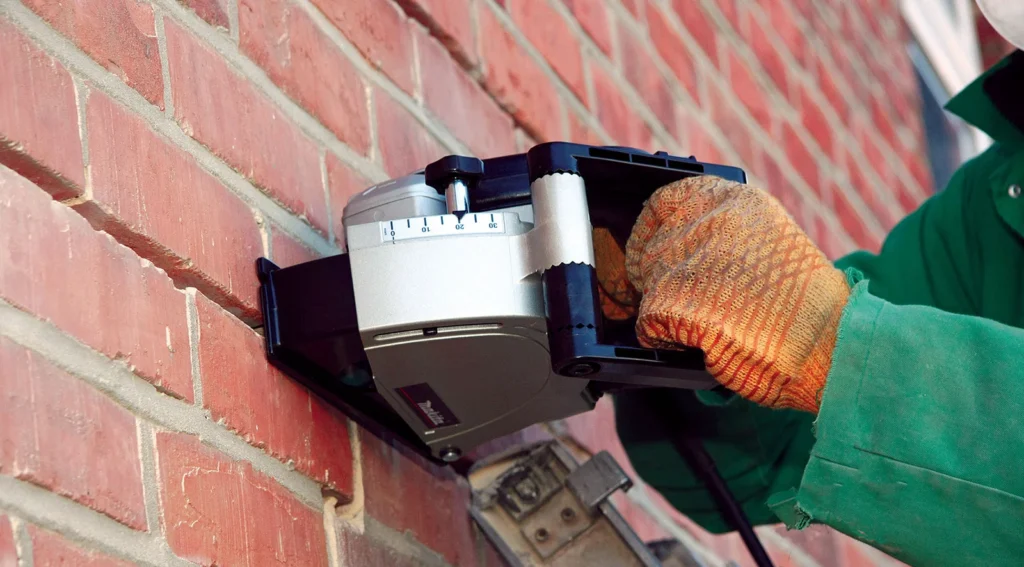
These bars are designed to reinforce masonry without the need for extensive rebuilding. They are inserted into bed joints or cut slots within the affected area and secured using a high-strength resin grout. Once installed, the area is repointed or made good to restore the appearance of the wall.
This method provides a discreet yet highly effective solution, strengthening the structure while maintaining its original character.
Stabilising Bulged or Bowed Walls
In cases where masonry has begun to bulge or bow, additional reinforcement may be required. Stainless steel lateral restraint bars offer a reliable solution for stabilising these areas.
These bars are installed through the outer brickwork and anchored into the internal structure, typically connecting to the joists of a suspended timber floor. By securing the wall to the internal framework, lateral movement is restricted, and the structure is stabilised.
This approach helps restore the integrity of the wall while preventing further displacement.
Maintaining Flexibility in the Structure
One of the key advantages of modern repair techniques is their ability to maintain a building’s natural flexibility. Buildings are not static—they are designed to move slightly in response to environmental conditions.
The use of helical bars allows tensile loads to be redistributed across the structure while still accommodating natural movement. This balance is essential for preventing future cracking and ensuring long-term stability.
By reinforcing rather than rigidly fixing the structure, these methods provide a more durable and resilient solution.
Suitable for Traditional Buildings
Remedial masonry repair techniques are particularly well-suited to traditional buildings and structures. Older properties often require a more sensitive approach, as preserving their original character is just as important as ensuring structural stability.
Helical bar systems and lateral restraints can be installed with minimal disruption, making them ideal for heritage properties or buildings where maintaining appearance is a priority.
These methods allow for effective repairs without the need for extensive demolition or reconstruction.
Cost-Effective and Minimally Disruptive
One of the major benefits of modern masonry repair solutions is their cost-effectiveness. Compared to traditional rebuilding methods, these techniques are significantly less expensive while still delivering reliable results.
In addition, the work can usually be completed with minimal disruption to the property owner. There is no need for large-scale construction work, meaning daily routines can continue with little interruption.
This makes it an attractive option for both homeowners and businesses looking to address structural issues efficiently.
Long-Term Protection for Your Property
Investing in professional masonry repair not only resolves existing issues but also provides long-term protection against future damage. By reinforcing weak areas and redistributing structural loads, these solutions help prevent further cracking and distortion.
Regular inspections and maintenance can also play a key role in identifying potential problems early, ensuring your property remains safe and stable over time.
Choosing the Right Specialists
As with any structural work, it’s essential to choose experienced professionals who understand the complexities of masonry repair. A qualified specialist will carry out a thorough assessment, identify the root cause of the problem, and recommend the most appropriate solution.
Their expertise ensures that repairs are carried out safely, effectively, and in line with industry standards.
Conclusion
Cracks in masonry may seem like a minor issue, but they can have serious implications if left untreated. Understanding the causes and addressing them with modern repair techniques is key to maintaining the structural integrity of your property.
From stainless steel helical bars to lateral restraint systems, today’s solutions offer effective, durable, and minimally disruptive ways to stabilise masonry. By acting early and choosing the right professionals, you can protect your building and ensure its longevity for years to come.
