
 WORKS COVERED BY A 30 YEAR GUARANTEE
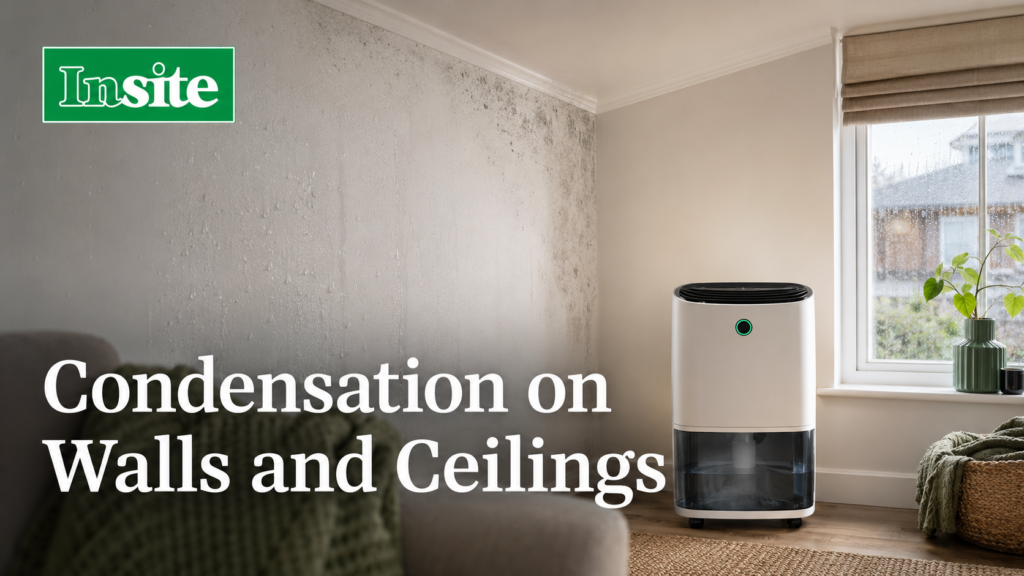
Condensation on walls and ceilings is a common problem in UK homes, particularly during the colder months. It may begin as water droplets on windows or a damp patch in the corner of a room, but persistent condensation can eventually lead to mould growth, damaged decoration and an uncomfortable indoor environment.
Because the signs can resemble other forms of damp, condensation is sometimes misdiagnosed as rising damp, penetrating damp or a plumbing leak. Identifying the correct cause is essential because each problem requires a different solution.
Understanding how condensation forms, where the excess moisture comes from and why certain surfaces are affected can help homeowners take practical steps to create a drier and healthier property.
What Causes Condensation?
Air contains a certain amount of invisible water vapour. Warm air can hold more moisture than cold air. When warm, moisture-laden air comes into contact with a colder surface, it cools rapidly and can no longer retain the same amount of water vapour.
The excess moisture is then released as small water droplets. This process is known as condensation.
Walls, ceilings, windows, external corners and areas behind furniture are commonly affected because they may be colder than the surrounding air. The temperature at which moisture begins to condense is called the dew point.
Condensation is therefore most likely to occur when three conditions are present:
- A high level of moisture in the indoor air
- Insufficient ventilation or air movement
- Cold walls, ceilings, windows or other surfaces
The problem often becomes more noticeable in autumn and winter because external temperatures fall while windows and doors remain closed for longer periods.
Where Does Indoor Moisture Come From?
Moisture is produced continuously through normal household activities. Breathing, cooking, bathing, washing and drying clothes can all release water vapour into the atmosphere.
Common sources include:
- Boiling pans and using a kettle
- Showering and bathing
- Drying wet clothes indoors
- Using an unvented tumble dryer
- Washing floors and other surfaces
- Breathing and sleeping
- Keeping several houseplants
- Damp clothing, towels and footwear
- Burning bottled gas or paraffin heaters
Individual activities may seem harmless, but the amount of water vapour can build up throughout the day. If this moisture cannot escape, the relative humidity inside the property rises and condensation becomes increasingly likely.
Portable gas and paraffin heaters can be particularly problematic because burning the fuel releases substantial moisture directly into the room. Appropriate heating methods and ventilation should therefore be considered carefully.
Common Signs of a Condensation Problem
Condensation does not always appear as clearly visible droplets. Some of its effects develop gradually and may be mistaken for another property defect.
Typical warning signs include:
- Water running down windows
- Damp patches on walls or ceilings
- Black mould around windows and external corners
- Mould behind wardrobes, beds and other furniture
- Peeling wallpaper or flaking paint
- A musty smell inside rooms
- Damp window frames and sills
- Mould on clothing, curtains or stored belongings
- Excessive moisture in bathrooms and kitchens
- Condensation inside cupboards or fitted wardrobes
Bedrooms are frequently affected because people release moisture through breathing while sleeping. Kitchens and bathrooms are also vulnerable due to cooking, washing and bathing.
Cold north-facing rooms, poorly heated spaces and walls with limited insulation may experience more severe surface condensation.
Is It Condensation or Another Type of Damp?
Correct diagnosis is important before any remedial work begins. Treating a condensation problem as rising or penetrating damp may waste money without addressing the source of the moisture.
Condensation usually affects cold surfaces, corners and areas with poor air circulation. It may be worse during winter and can appear around windows, behind furniture or near the ceiling.
Rising damp generally begins at the bottom of a ground-floor wall and moves upwards through porous building materials. It may produce tide marks, damaged plaster or salt deposits.
Penetrating damp occurs when water enters through the external structure. Possible causes include defective gutters, damaged roof coverings, cracked render or leaking pipes. The damp patch may become more noticeable following rainfall.
Not every case follows a simple pattern, and more than one moisture problem can exist within the same property. A professional assessment may therefore be required where the source is uncertain or the damage is extensive.
Why Should Condensation Be Addressed?
Occasional condensation on a bathroom mirror is not usually a major concern. Persistent moisture on walls, ceilings and other surfaces, however, should not be ignored.
Prolonged condensation can damage:
- Paint and wallpaper
- Plaster and decorative finishes
- Timber window frames
- Furniture and furnishings
- Clothing and stored belongings
- Sealants and internal fixtures
The damp environment may also encourage mould growth. Mould releases spores into the air and can affect indoor air quality. It may be particularly troublesome for people with asthma, allergies, respiratory conditions or other sensitivities.
Removing visible mould without controlling the moisture will usually provide only temporary improvement. The underlying humidity and cold-surface conditions must also be addressed.
Improving Ventilation
Ventilation allows moist indoor air to leave the property and be replaced by drier air. Kitchens and bathrooms should have suitable extractor fans that discharge outside rather than into a roof space or another part of the building.
Fans should be used during cooking, showering and bathing and, where appropriate, allowed to continue running afterwards. Trickle vents should remain open unless there is a specific reason to close them.
Opening windows for short periods can also help remove moisture, but relying on open windows continuously may be impractical in cold weather and could create security concerns.
Air movement within rooms is equally important. Furniture should not be pressed tightly against cold external walls. Leaving a small gap can allow air to circulate and reduce the likelihood of hidden mould developing.
Maintaining Consistent Heating
Cold surfaces encourage condensation. Maintaining a steady background temperature can therefore be more effective than allowing rooms to become very cold and then heating them intensely for a short period.
Heating alone will not remove moisture from the property, but it can raise surface temperatures and reduce the likelihood of water vapour condensing on walls and ceilings.
Unused bedrooms and other less frequently occupied rooms should not be allowed to remain excessively cold. Internal doors may need to be managed carefully so that warm, moisture-laden air does not enter a cold room and immediately condense.
Insulation improvements may also help where persistent cold spots are contributing to the problem. However, any work should be properly designed to avoid creating new areas of trapped moisture.
Reducing Moisture at Its Source
Small changes to everyday routines can reduce the amount of water released into the home.
Useful measures include:
- Keeping lids on pans while cooking
- Using extractor fans consistently
- Drying clothes outdoors whenever possible
- Venting tumble dryers correctly
- Keeping bathroom doors closed during showers
- Wiping down wet surfaces after bathing
- Avoiding unvented gas or paraffin heaters
- Not covering radiators with wet clothing
- Addressing plumbing leaks promptly
These steps are most effective when combined with suitable heating, ventilation and humidity control.
How Can a Dehumidifier Help?
Where ventilation and heating alone are insufficient or too costly, an electrical dehumidifier can remove moisture directly from the air.
A heat-pump dehumidifier draws humid air across a cold internal surface. The moisture condenses into water, which is collected in a container or removed through a drainage hose. Drier air is then returned to the room.
One correctly selected machine, positioned centrally, may remove a considerable amount of water each day. The actual extraction rate depends on the model, room temperature, humidity level and conditions within the property.
A dehumidifier can help:
- Reduce indoor humidity
- Limit water droplets on cold surfaces
- Support faster indoor clothes drying
- Discourage mould-friendly conditions
- Protect furnishings and decorations
- Create a more comfortable atmosphere
Windows and external doors should generally remain closed while the machine is operating so that it treats the indoor air efficiently. Filters and water containers must also be cleaned and maintained according to the manufacturer’s instructions.
Choosing the Right Condensation Solution
There is no single solution suitable for every property. Effective condensation control may require a combination of improved ventilation, consistent heating, reduced moisture production and dehumidification.
The size, capacity and operating conditions of a dehumidifier should match the area being treated. A machine that is too small may run continuously without achieving sufficient humidity control, while an oversized or poorly positioned unit may not operate efficiently.
With extensive knowledge of dehumidification and many years of experience working with leading manufacturers, including Ebac and others, our team can help identify a suitable solution for your property.
If you are experiencing condensation on walls or ceilings, persistent mould or excessive indoor humidity, contact us today. We can discuss your requirements and recommend an effective dehumidifier to help create a drier, healthier and more comfortable home.
