
 WORKS COVERED BY A 30 YEAR GUARANTEE
Cavity wall construction has been widely used in the United Kingdom for many decades. While this method provides excellent insulation and structural stability, it relies on an important component known as wall ties. These metal ties connect the inner and outer walls of a building, ensuring that both layers work together to maintain the strength and stability of the structure.
Over time, however, wall ties can corrode or fail, which can lead to serious structural problems. According to the Building Research Establishment (BRE), wall tie corrosion is likely to affect more than 10 million homes across the United Kingdom. Because of this widespread issue, specialist services such as wall tie inspection and replacement are essential to maintain the safety and integrity of many properties.
Companies like Insite Fixings were formed to provide expert services in the field of wall tie replacement and structural stabilisation, ensuring that buildings remain safe and structurally sound for years to come.
Understanding the Role of Wall Ties
Wall ties are small but essential components within cavity wall construction. Their purpose is to connect the outer brickwork to the inner wall structure, allowing the two layers to act as a single unit. This connection ensures that the external brickwork remains stable and securely attached to the building.
Although wall ties are designed to last for many years, older properties – particularly those built before the early 1980s – may have been constructed using materials that are prone to corrosion. In some cases, ties may not have been installed correctly or may have deteriorated due to exposure to moisture within the cavity.
When wall ties begin to fail, the stability of the outer brickwork can be compromised. This can lead to visible structural problems that require immediate attention.
Signs of Wall Tie Failure
One of the earliest signs of wall tie corrosion or failure is horizontal cracking along the mortar joints of the brickwork. These cracks usually appear along the bedding joints and may run across long sections of the wall.
Another common symptom is bulging or distortion in the masonry, where the outer brick wall begins to move away from the structure of the building. This occurs because the wall ties are no longer able to hold the outer brickwork securely in place.
Property owners may also notice:
- Horizontal cracks appearing in the brickwork
- Bulging or outward movement of the external wall
- Distortion or unevenness in the masonry
- Gaps forming between the brickwork and structural elements
Buildings constructed as recently as 1981 can still be affected by wall tie corrosion, meaning that even relatively modern properties may require inspection and repair.
If these issues are not addressed promptly, the damage can worsen and lead to serious structural risks.
The Dangers of Corroded Wall Ties
Corrosion can cause wall ties to expand significantly – sometimes up to seven times their original thickness. As the metal expands, it places pressure on the surrounding brickwork and mortar joints.
This pressure can cause the brickwork to lift slightly, resulting in the horizontal cracks commonly seen in affected buildings. Over time, the continued expansion of the corroded ties can create additional stress within the wall structure.
If left untreated, the wall ties may eventually break down completely. When this happens, the outer brick wall may no longer be properly supported. In extreme cases, this can lead to partial collapse of the external wall, particularly during periods of adverse weather conditions such as strong winds or storms.
Because of these risks, it is essential to identify and address wall tie problems at an early stage.
Why Early Stabilisation is Important
Early detection and stabilisation of wall tie failure is crucial for maintaining the safety of a building. Repairing the problem promptly not only prevents further structural damage but also helps avoid much more costly repairs later on.
If wall tie failure continues without intervention, the outer wall may eventually require demolition and reconstruction. This type of repair can be extremely disruptive and expensive.
By contrast, specialist wall tie replacement allows the structure to be stabilised without removing large sections of brickwork. This makes it a more practical and cost-effective solution for property owners.
Ensuring the stability of cavity walls is also important for safety reasons, particularly in buildings where external walls may be exposed to high winds or severe weather conditions.
Professional Wall Tie Inspection
Before any remedial work can be carried out, a detailed inspection is required to assess the condition of the existing wall ties. Specialist contractors use advanced equipment to locate and examine the ties within the cavity wall.
The inspection process typically includes the use of metal detection equipment, which allows technicians to identify the position of the wall ties hidden within the structure.
In many cases, a fibre optic endoscope can be inserted into the cavity to provide a visual inspection of the ties between the walls. This technology allows specialists to assess the level of corrosion and determine whether replacement is required.
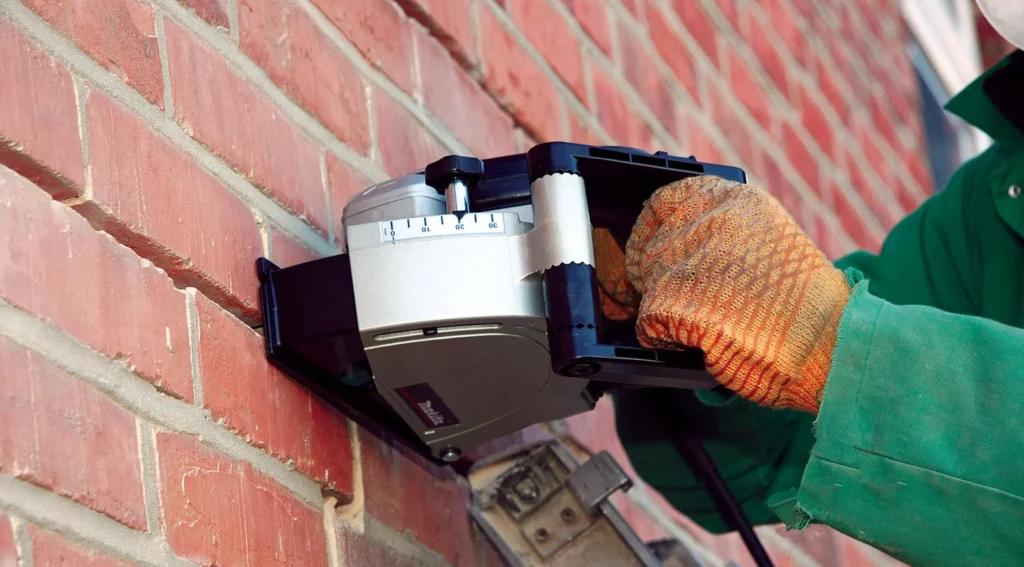
Alternatively, sections of the mortar joints may be carefully removed to expose the ties directly. This enables a more detailed evaluation of their condition.
Following the inspection, experts can provide an accurate assessment and recommend the most appropriate course of action to restore the stability of the wall.
Wall Tie Replacement and Guarantees
Specialist contractors such as Insite Fixings carry out wall tie replacement using proven remedial techniques designed to stabilise the structure of the building.
New wall ties are carefully installed to reconnect the outer brickwork with the inner wall, ensuring the building regains its structural integrity. These modern ties are manufactured using materials that are highly resistant to corrosion, providing long-lasting protection.
All remedial works are typically undertaken with the benefit of a 25-year certificate of guarantee, giving property owners peace of mind that the repair work will remain effective for many years.
This long-term guarantee reflects the quality and durability of the repair methods used by experienced wall tie replacement specialists.
Protecting Your Property for the Future
Wall tie corrosion is a widespread issue across the UK, but with professional inspection and timely repairs, it can be effectively managed. Identifying the problem early allows buildings to be stabilised before significant structural damage occurs.
Regular inspections, combined with specialist repair solutions, help ensure that cavity walls remain safe, secure, and structurally sound.
If you notice horizontal cracks in your brickwork or signs of wall movement, it is important to seek professional advice as soon as possible.
Contact Us
If you suspect wall tie failure or would like a professional inspection of your property, contact our team today to arrange a detailed survey and expert advice.
